
Joint Care Exercises: Rehabilitation Specialist Guide
A comprehensive editorial resource for rehabilitation professionals and movement specialists. Learn evidence-based protocols, safe exercise progressions, and best practices for supporting long-term mobility and functional capacity.
Whether you're refining your clinical practice or staying current with rehabilitation principles, this guide provides detailed frameworks for joint health optimization, mobility enhancement, and safe movement mechanics.
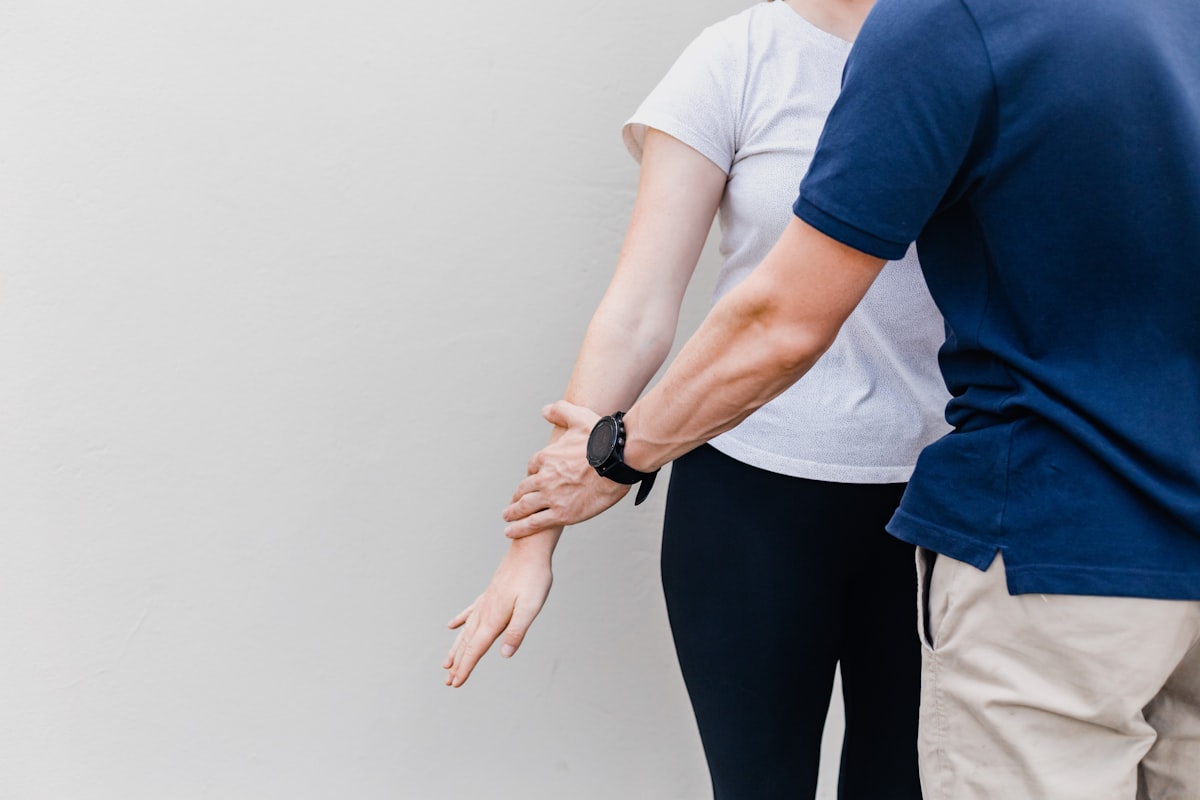
Why Joint Care Matters in Rehabilitation
Effective joint support through properly sequenced exercises and movement education is fundamental to maintaining functional capacity, preventing secondary limitations, and optimizing daily quality of life.
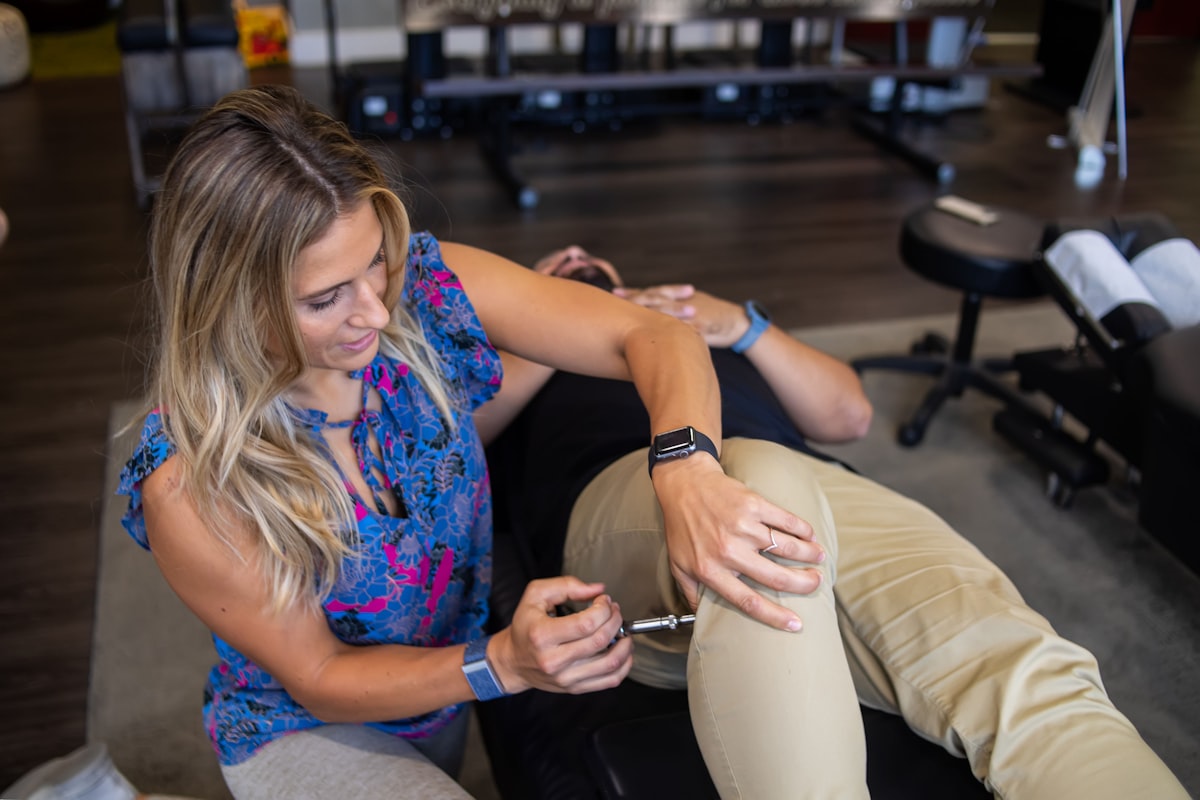
Mobility Preservation
Systematic joint care exercises maintain range of motion, reduce compensatory movement patterns, and preserve the ability to perform essential daily tasks without limitation.
Functional Independence
Supporting joint stability and strength through targeted movement enables sustained participation in work, leisure, and self-care activities at optimal performance levels.
Long-Term Wellness Habits
Evidence-based education on proper movement mechanics, activity pacing, and lifestyle adjustments builds sustainable habits that support joint health across the lifespan.
5-Step Rehabilitation Protocol Framework
A systematic approach to joint care that progresses from foundational stabilization through functional integration, ensuring safe, effective outcomes for specialists and their clients.
Assessment & Baseline Evaluation
Comprehensive assessment of current mobility status, movement quality, functional limitations, and individual client goals. Document baseline measurements and identify primary areas requiring focused support.
Light Joint Warm-Up & Mobility Activation
Initiate controlled gentle movements to increase synovial fluid distribution, enhance local circulation, and prepare the target joints for progressive exercise. This foundational phase builds client confidence and establishes movement awareness.
Stabilization & Control Development
Progressive strengthening and neuromuscular control exercises that establish safe movement patterns. Emphasize correct posture during walking, sitting, and standing to prevent compensatory stress on target joints.
Functional Integration & Activity Progression
Transition learned movements into real-world contexts. Teach safe mechanics for occupational tasks, leisure activities, and exercise performance. Build client confidence in applying joint-supportive techniques during daily exertion.
Home Program & Long-Term Maintenance
Establish sustainable self-management strategies including a personalized exercise routine, lifestyle habit adjustments, nutritional support, and activity modification principles. Enable clients to maintain gains independently and adapt as needs evolve.
Exercise Categories by Joint Type
Different joints require tailored approaches. These evidence-based categories guide specialists in selecting appropriate, safe exercises for each anatomical area.
Shoulder & Upper Extremity
- Pendulum swings and gentle circular patterns
- Scapular mobilization exercises
- Progressive range-of-motion advancement
- Rotator cuff stabilization sequences
- Functional reaching and lifting patterns
Spine & Core
- Spinal mobility in multiple planes
- Core stability and control development
- Proper posture when walking and sitting
- Safe lifting mechanics education
- Activity during sedentary work breaks
Hip & Lower Extremity
- Hip mobility and flexibility progressions
- Lower extremity strength sequencing
- Balance and proprioception training
- Gait mechanics and walking optimization
- Stair and functional activity support
Elbow & Wrist
- Fine motor control exercises
- Pronation and supination training
- Grip strength development progressions
- Functional gripping and carrying patterns
- Computer posture and repetitive strain prevention
Knee & Ankle
- Quadriceps and hamstring balance work
- Ankle stability and proprioception
- Dynamic balance and coordination training
- Step-down and weight-shift mechanics
- Sport-specific and functional movement patterns
Integrated Multi-Joint
- Kinetic chain activation patterns
- Compound movement progressions
- Total body coordination development
- Sport and activity-specific training
- Joint support during complex exertion
Visual Exercise Demonstrations
Illustrated movement sequences help specialists and clients understand correct positioning, range, and progression cues for safe, effective exercise execution.

Shoulder Pendulum Sequence
Gentle pendulum movements establish early shoulder mobility and synovial fluid distribution. Begin standing with arms relaxed, lean forward slightly, and allow the affected arm to swing naturally in progressively larger circles. Perform in multiple directions to address full range requirements.
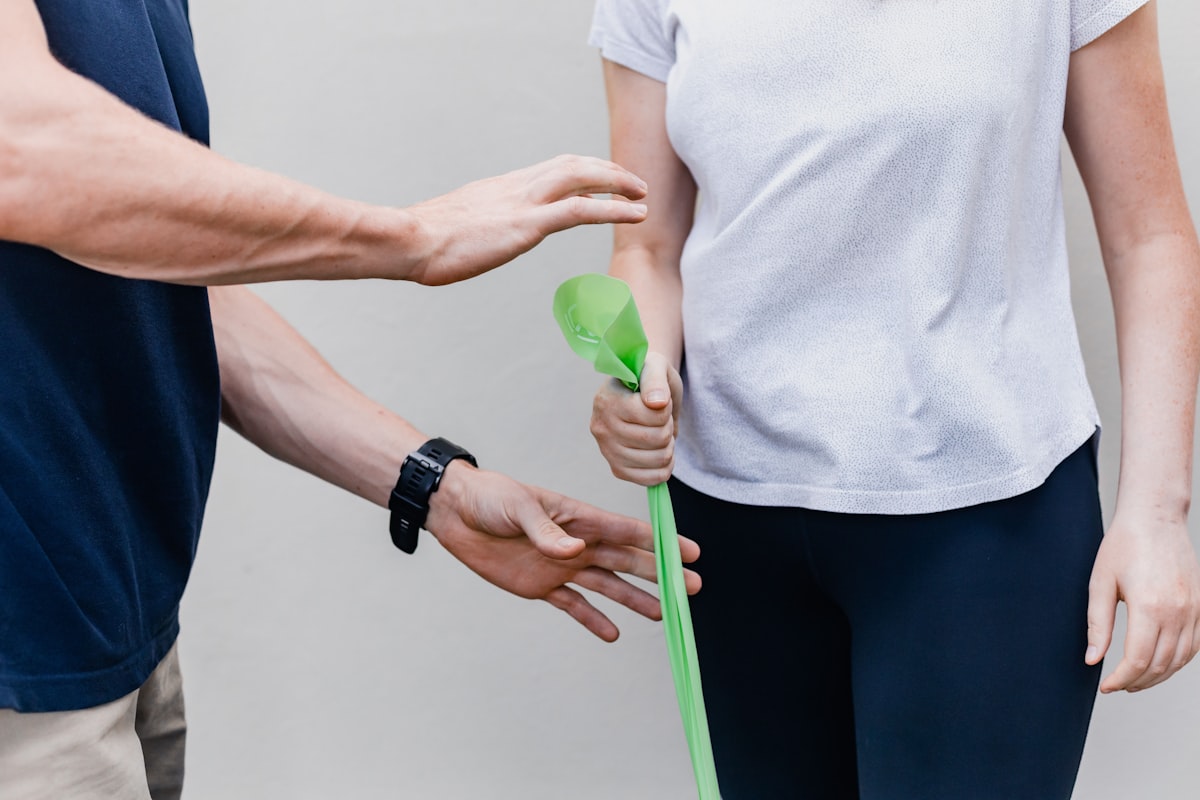
Supine Core Activation
Foundation exercise for spinal stability. Lie supine with knees bent, feet flat. Engage core muscles by drawing navel toward spine while maintaining neutral spinal position. Progress by lifting single limbs while maintaining pelvic stability and breathing naturally throughout.
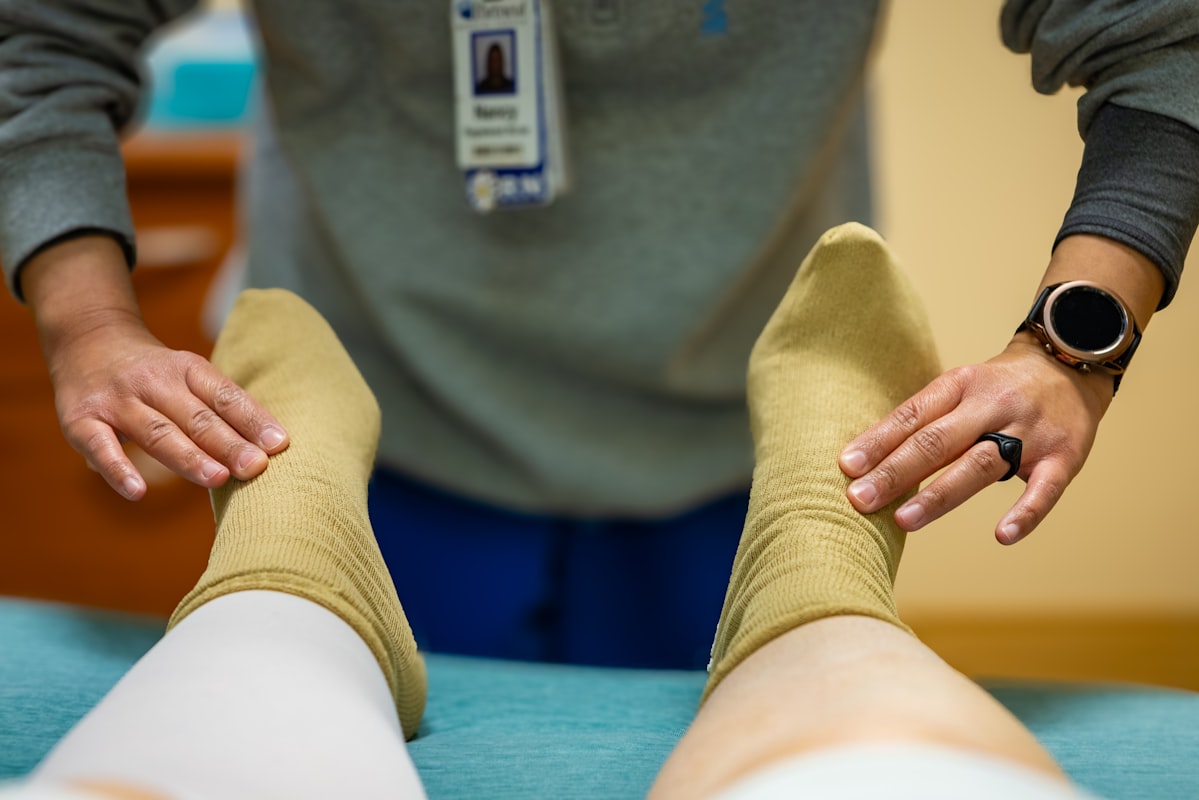
Hip Flexor Mobility Release
Address hip tightness from prolonged sitting. Assume a half-kneeling position with rear knee padded. Maintain upright posture while gently shifting weight forward, feeling a gentle sensation in the front hip area. Hold without forcing, breathing smoothly for 20-30 seconds per side.
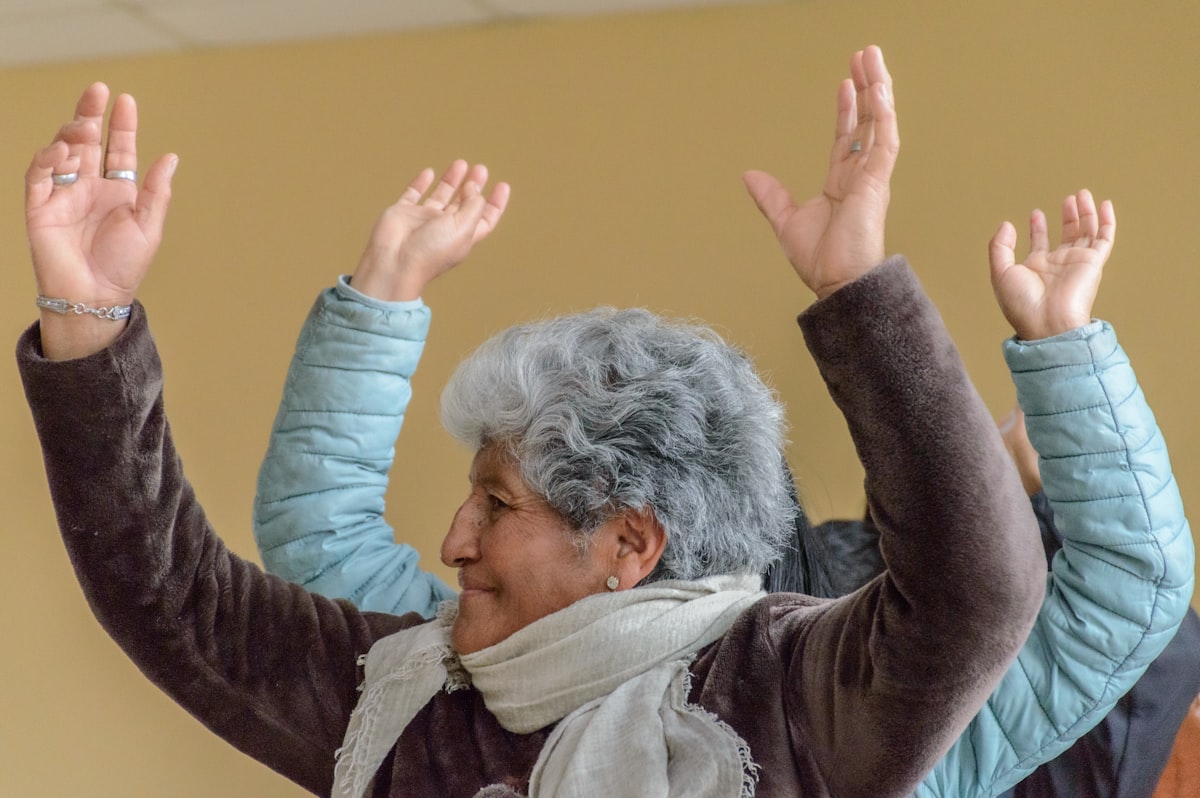
Standing Weight Transfer
Essential pattern for daily activities. Stand with feet hip-width apart. Shift weight side to side, maintaining upright posture and engaged core. Progress by adding arm reaches to overhead, emphasizing stable lower body during upper extremity movement patterns.
Key Features of Effective Joint Care Programming
Successful rehabilitation rests on systematic, evidence-based principles that address individual needs while maintaining scientific rigor and safety standards.
Individual Assessment & Customization
Every protocol begins with thorough evaluation of baseline function, structural considerations, and specific goals. Exercise selection and progression pace are tailored to individual capacity and response patterns, ensuring relevance and safety across diverse client presentations.
Progressive Load Management
Systematic advancement from light warm-up through functional activity ensures nervous system adaptation and mechanical stability improve at appropriate pace. Progression respects individual tolerance and functional goals rather than following rigid timelines.
Movement Quality Over Quantity
Emphasis on correct positioning, breathing patterns, and body mechanics supersedes repetition count. Proper technique prevents secondary compensations and maximizes therapeutic benefit while minimizing unnecessary stress on target structures.
Multi-Component Lifestyle Education
Comprehensive approach addressing exercise, proper posture when walking, activity during sedentary work, nutrition for joint support, and ergonomic modifications. Integrated recommendations provide sustainable lifestyle strategies beyond supervised sessions.
Evidence-Based Practice Integration
All recommendations reflect current scientific literature on mobility exercises, safe gymnastics, and joint preservation. Regular protocol updates ensure content reflects emerging research and refined clinical understanding across the rehabilitation field.
Client Education & Self-Management
Comprehensive education enables clients to understand joint mechanics, recognize early warning signs, and apply learned strategies independently. Knowledge and confidence support long-term adherence and proactive health management beyond formal supervision.
Physiotherapist Tips for Daily Practice
Evidence-based guidance for incorporating joint care principles into clinical work and client education, supporting long-term mobility preservation and functional capacity.
Assessment First
Always begin with comprehensive baseline evaluation. Document current mobility, movement quality, and specific limitations to guide exercise selection and establish objective progress measures throughout the intervention period.
Start Conservatively
Begin with light warm-up and mobility work before advancing to strengthening or functional patterns. Conservative progression allows nervous system adaptation and builds client confidence while preventing overload during early phases.
Monitor & Adjust
Track client progress through objective measures like ROM, strength tests, and functional assessments. Adjust exercise intensity, volume, or complexity based on response and feedback to optimize outcomes.
Build Progressively
Incrementally increase demands through exercise variation, resistance, or complexity. Progressive loading challenges the system appropriately and drives continuous adaptation for sustained improvement.
Success Stories From Professionals
See how rehabilitation specialists and therapists are transforming outcomes with evidence-based protocols.
"The framework here is exactly what I needed to structure my ACL rehab protocols. My clients are seeing faster return-to-sport timelines with better confidence."
Sarah M.
Physical Therapist, Boston Sports Medicine
"Outstanding resource for evidence-based guidance. I've recommended it to all my colleagues. The anatomy and progression strategies are on point."
Dr. James K.
Orthopedic Specialist, Toronto Clinic
"Jointcarehabitat transformed how I approach shoulder rehabilitation. My outcome metrics have improved significantly since implementing these strategies."
Lisa P.
Athletic Trainer, Elite Fitness Center
Ready to Elevate Your Rehabilitation Practice?
Access comprehensive, evidence-based protocols and build confidence in your rehab outcomes. Join professionals who trust Jointcarehabitat for science-backed guidance.
Frequently Asked Questions
Get answers to common questions about our rehabilitation resources and evidence-based approach.
What conditions does Jointcarehabitat cover?
We provide evidence-based protocols for a wide range of musculoskeletal conditions including ACL injuries, shoulder dysfunction, knee rehabilitation, ankle sprains, lower back pain, and post-operative recovery. Each protocol is designed with progressive phases and evidence-based progressions.
Who should use these protocols?
Physical therapists, athletic trainers, orthopedic specialists, strength coaches, and rehabilitation professionals can utilize these evidence-based frameworks. The protocols are designed to support qualified professionals in delivering safe, effective, and measurable rehabilitation outcomes.
Are these protocols based on current research?
Absolutely. All Jointcarehabitat protocols are built on current peer-reviewed literature, clinical guidelines, and evidence-based best practices. We regularly update our resources to reflect the latest advancements in rehabilitation science and clinical outcomes research.
Can I customize protocols for my clients?
Yes. Our protocols serve as evidence-based frameworks that you should customize based on individual client presentation, medical history, goals, and response to treatment. We emphasize clinical reasoning and individual assessment to ensure protocols are adapted appropriately for each client.
How do I get started?
Simply explore our comprehensive protocol library, select the condition relevant to your client, and review the phase-based progression framework. Each protocol includes anatomical foundations, assessment strategies, exercise progressions, and return-to-function benchmarks to guide your treatment planning.