
Joint Care Exercises: Professional Rehabilitation Guide
Discover evidence-based movement strategies from rehabilitation specialists. Learn how to maintain joint mobility, support proper posture, and develop sustainable habits for long-term wellness through safe, guided exercises.
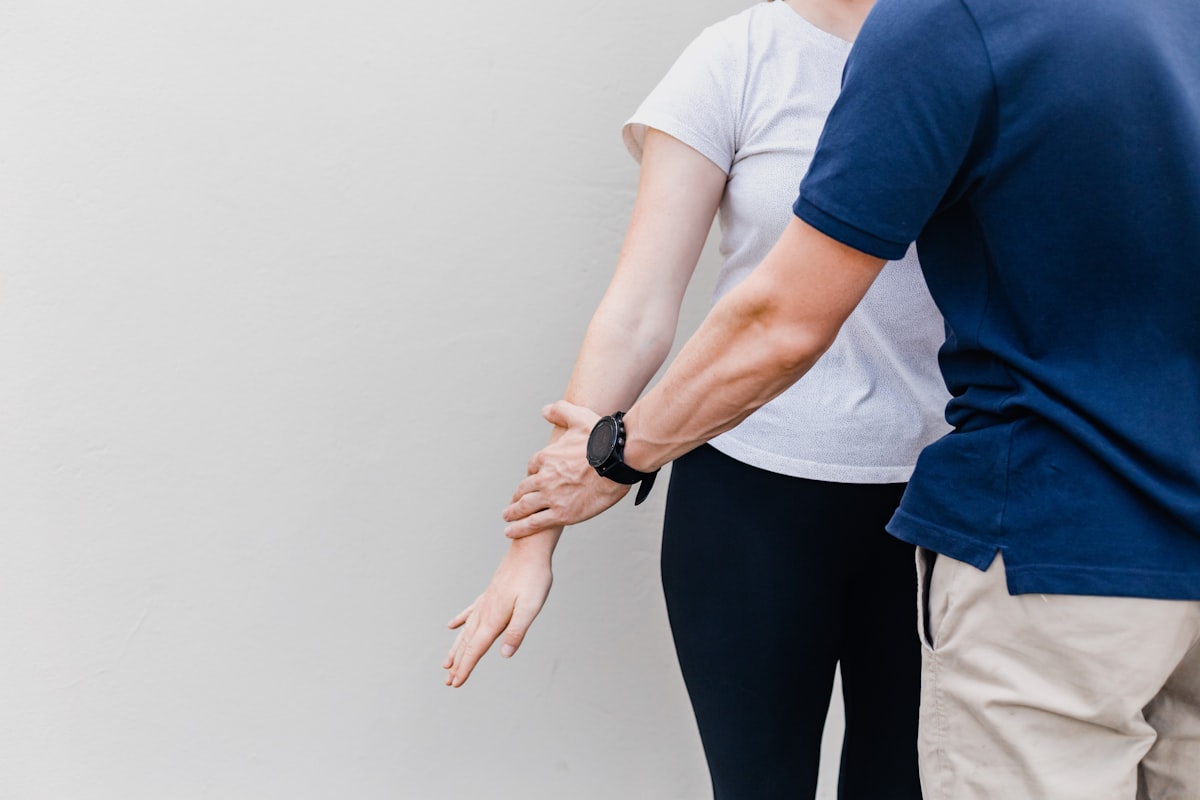
Essential Joint Care Topics
Comprehensive resources covering movement, prevention, and sustainable wellness practices
Mobility Exercises
Learn progressive movement techniques that support joint flexibility and range of motion. Guided routines designed by rehabilitation specialists to promote healthy, functional movement throughout your day.
Read MoreProper Posture When Walking
Master alignment techniques that reduce unnecessary stress on joints. Understand how proper posture during daily activities—walking, sitting, standing—supports long-term joint health and comfort.
Read MoreHealthy Habits for Joints
Explore lifestyle practices that support joint wellness. From activity during sedentary work to joint support through proper nutrition, develop sustainable habits that promote mobility and comfort over time.
Read More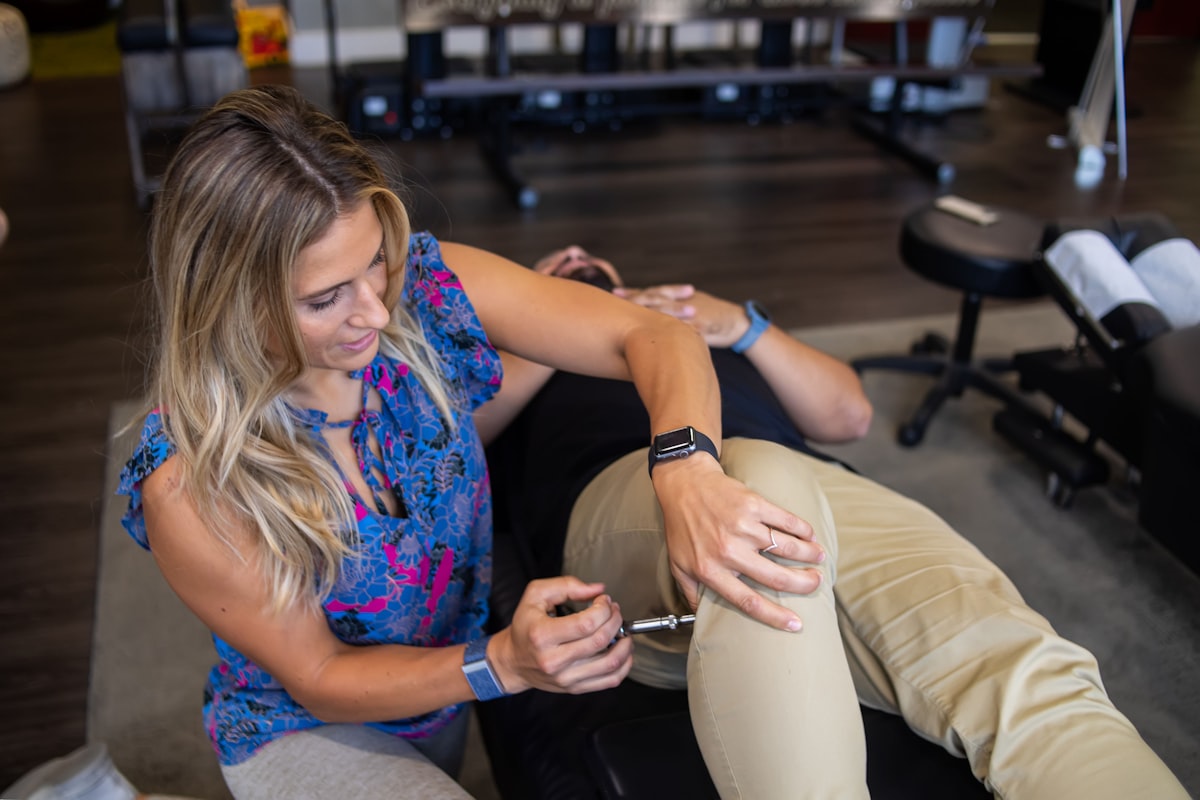
Why Rehabilitation Specialists Choose Evidence-Based Approaches
Professional rehabilitation specialists prioritize safe, sustainable methods that respect individual needs and limitations. Our editorial guide reflects current best practices in movement science and joint wellness.
Physiotherapist Tips
Expert insights on movement quality, body awareness, and progressive loading strategies that support sustainable joint health.
How to Preserve Joints
Practical strategies for maintaining mobility, preventing unnecessary wear, and adapting activities to your individual needs throughout different life stages.
Safe Gymnastics & Light Warm-Up
Structured routines designed to prepare your body for activity, improve circulation, and support gradual improvement in movement capacity.
The 4-Phase Joint Care Framework
A structured approach to building sustainable movement habits
Awareness & Assessment
Understand your current movement patterns, identify areas of stiffness or limitation, and learn how joints function during daily activities.
Light Warm-Up Routine
Begin with gentle, preparatory movements that increase circulation, activate stabilizing muscles, and ready your body for more purposeful exercise.
Progressive Mobility Work
Develop controlled, functional movement across full ranges of motion. Gradually expand capacity while respecting your body's signals and limitations.
Integration & Maintenance
Apply learned movement strategies to everyday life. Establish consistent habits that support long-term joint health and sustained mobility.
How to Move Correctly During the Day
Most people spend significant time in static positions—sitting at desks, standing in queues, or lying down. Without conscious movement practice, joints can become stiff and muscles may weaken. Our editorial team has compiled practical strategies for integrating purposeful movement into your daily routine.
- Activity during sedentary work: Break up long sitting periods with gentle movements, stretches, and postural resets every 30-60 minutes.
- Proper walking technique: Maintain neutral spine alignment, engage your core, and avoid overstriding to reduce unnecessary stress on lower body joints.
- Joint support during exertion: Use controlled movement patterns and appropriate pacing to manage load and protect joints during physical activity.
- Recovery between activities: Allow adequate rest and incorporate gentle mobility work to support tissue adaptation.

Exercise Demonstrations and Techniques
Visual reference guides for safe, effective movement patterns
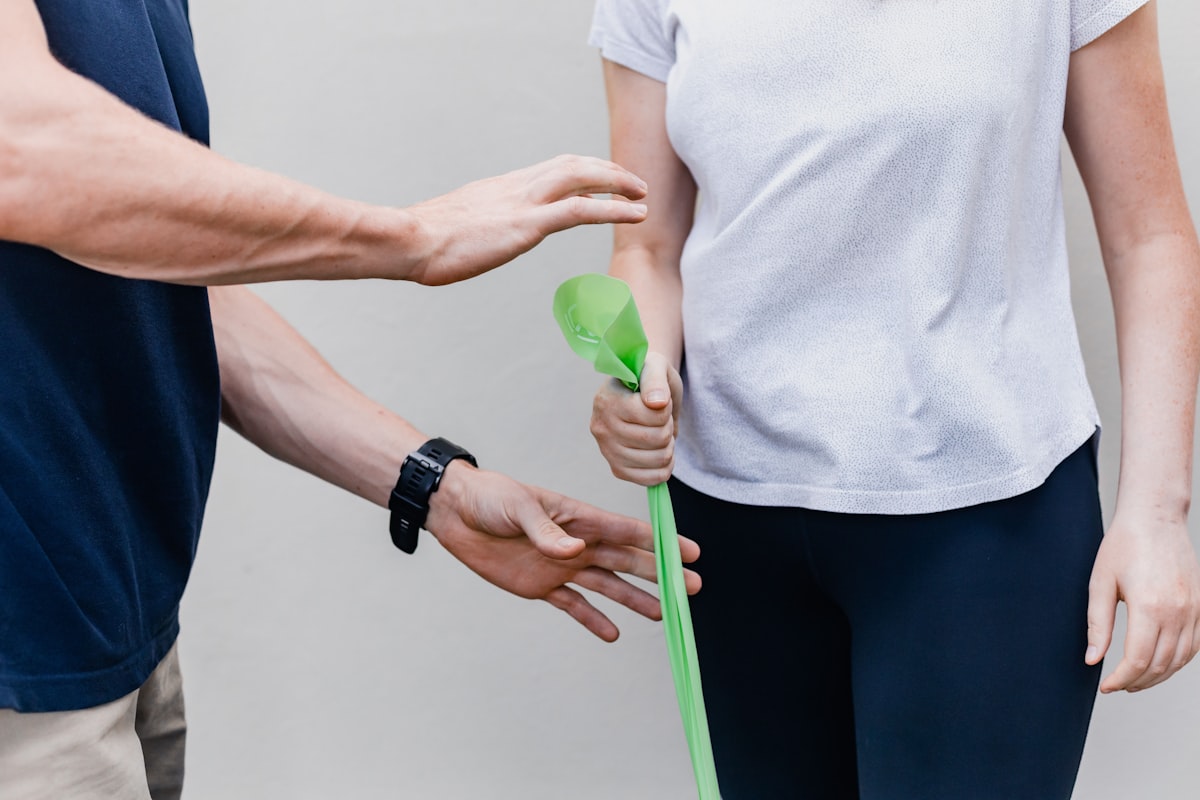
Gentle Shoulder Mobility
Improve shoulder range of motion and reduce upper body tension with controlled arm circles and rotational movements.
View Guide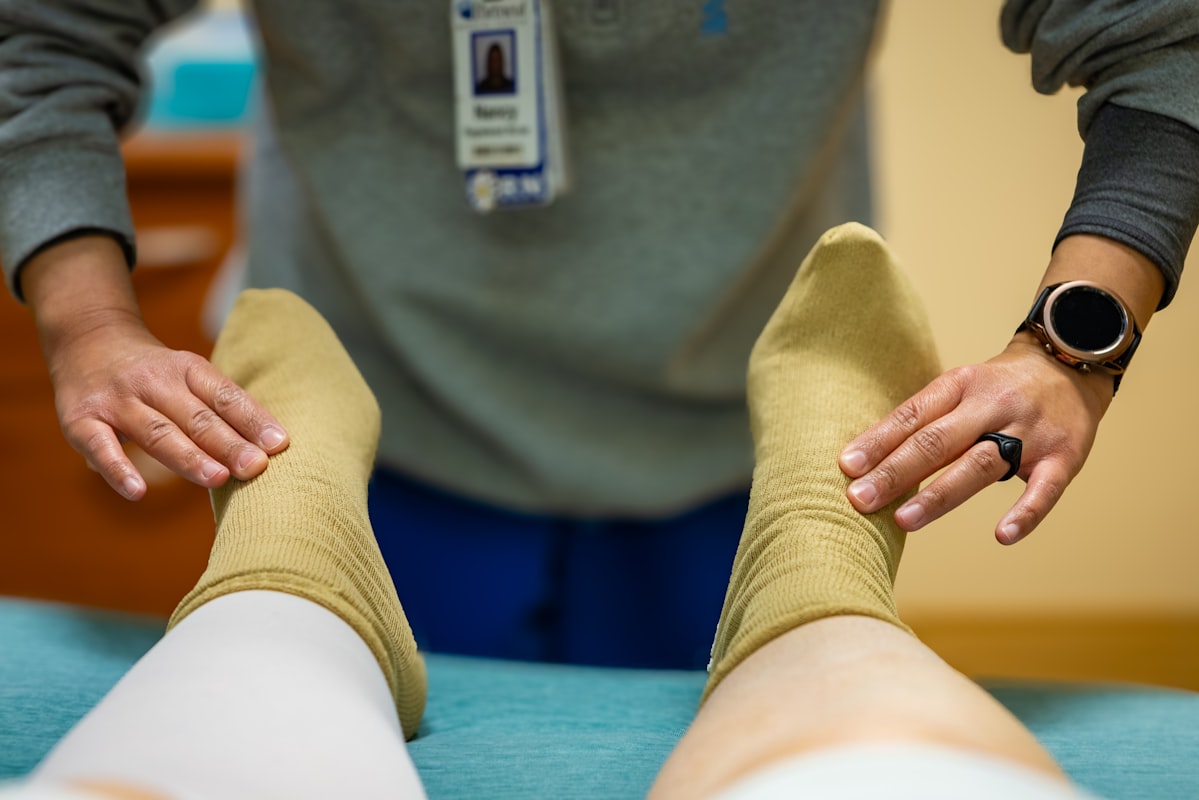
Hip Flexor Release
Counteract prolonged sitting with targeted stretches that open hip flexors and support lumbar spine health.
View Guide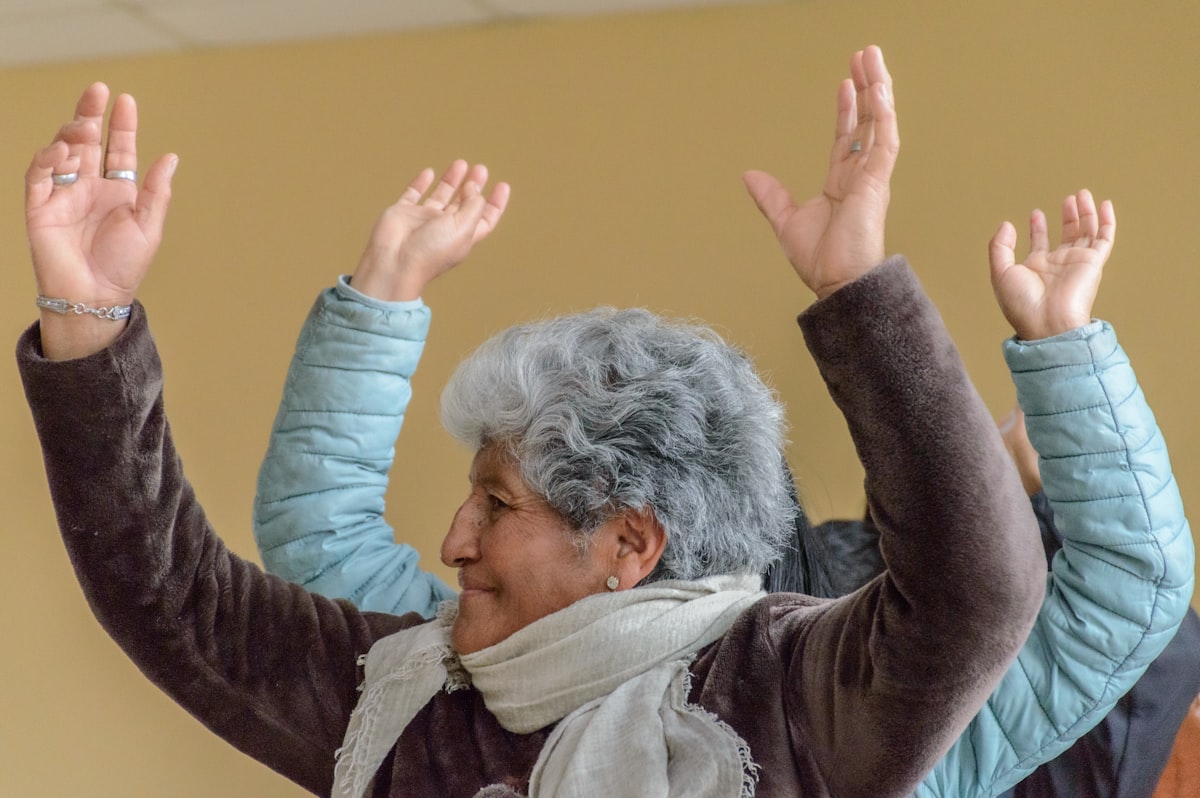
Knee and Ankle Stability
Build foundational strength and proprioception in lower leg joints through progressive balance and coordination drills.
View Guide
Spinal Mobility and Rotation
Maintain healthy thoracic and lumbar spine mobility through controlled twists and side bending movements.
View Guide
Elbow and Wrist Mobility
Support upper extremity health with exercises that improve wrist and elbow function for daily tasks and activities.
View Guide
Core Stability Basics
Develop foundational core strength that supports proper posture and protects joints during movement and daily activities.
View Guide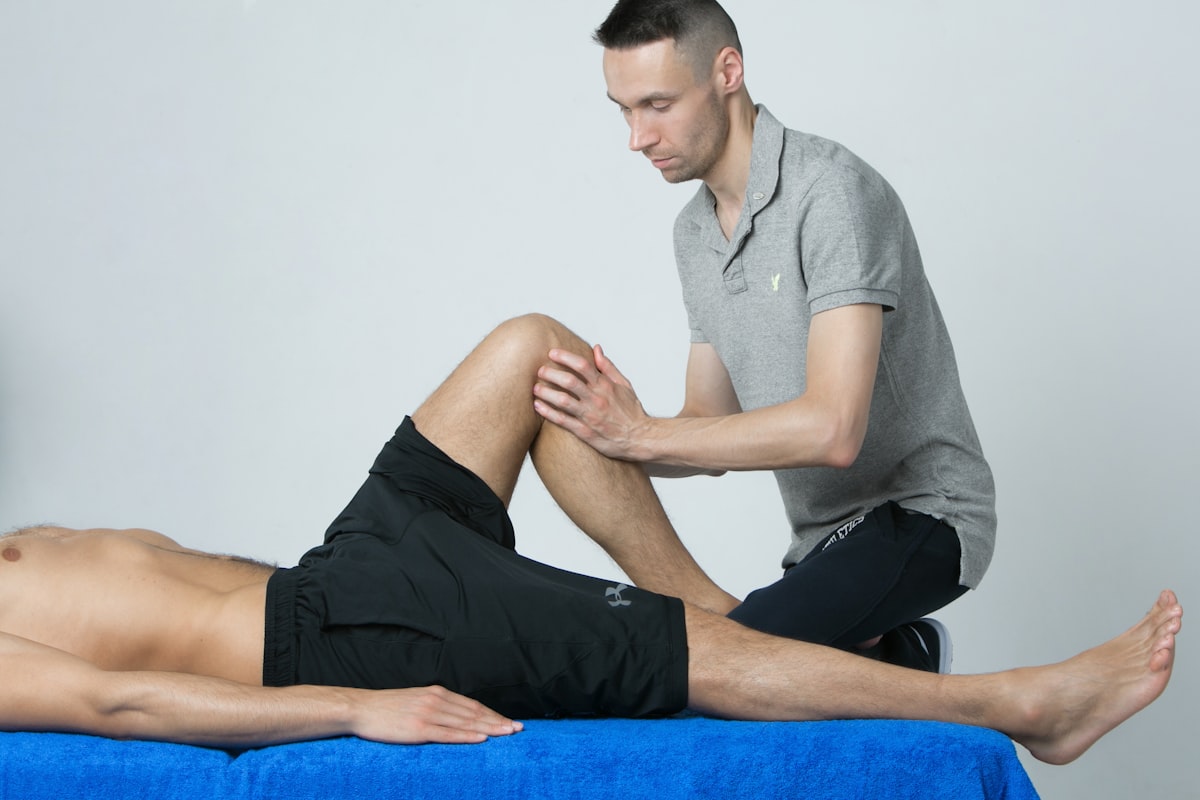
Joint Support Through Nutrition
Proper nutrition supports overall health and provides your body with building blocks for sustainable wellness. A balanced approach to eating can help you maintain energy levels needed for regular movement practice and support the demands of an active lifestyle.
Healthy Menu for Active People
Focus on whole foods rich in vitamins, minerals, and omega fatty acids. Adequate protein supports muscle health, colorful vegetables provide antioxidants, and strategic hydration supports tissue function.
Timing and Consistency
Regular meal timing supports energy stability for exercise and recovery. Pair movement practice with balanced nutrition to optimize your body's response to activity.
Hydration Matters
Adequate water intake supports nutrient transport, temperature regulation, and joint lubrication during movement. Consistent hydration is a foundational wellness habit.
Feedback from Our Readers (Individual results may vary)
How specialists and active readers use our guide
"The exercise demonstrations are incredibly clear and well-organized. I recommend the mobility framework to my clients who want to deepen their understanding of safe movement patterns. The step-by-step approach makes it easy to follow and adapt to individual needs."
Marco Rossini
Naples, Italy
"As someone who works at a desk most of the day, I found the section on proper posture and activity breaks invaluable. The practical strategies for integrating movement into a sedentary schedule have genuinely improved my daily comfort and awareness."
Lucia Benedetti
Rome, Italy
"What I appreciate most is the evidence-based approach and the emphasis on sustainable habits over quick fixes. The guide respects the body's limitations while encouraging gradual progress. It's become a go-to resource for both my professional practice and personal wellness routine."
Andrea Ferri
Milan, Italy
Common Questions About Joint Rehabilitation
Practical answers to reader questions
How often should I practice joint mobility exercises?
Consistency matters more than intensity. Most specialists recommend gentle mobility work daily or at least 5 days per week. Start with 10-15 minutes and adjust based on your response and schedule. Regular practice yields better results than occasional longer sessions.
Can I practice exercises if I have existing joint limitations?
Yes. The guide emphasizes working within your current capabilities and progressing gradually. Always respect your body's signals. If you have significant concerns, consult with a healthcare provider or rehabilitation specialist who can assess your specific situation.
What's the difference between warm-up and mobility work?
Warm-up prepares your body by increasing circulation and activating muscles before more demanding activity. Mobility work focuses on improving range of motion and joint function through controlled, purposeful movement patterns. Both are valuable components of a comprehensive approach.
How long before I notice improvements in mobility?
Many people report noticing small improvements within 2-3 weeks of consistent practice. More significant changes typically develop over 6-8 weeks. Focus on the process rather than the timeline—sustainable improvements build gradually through regular, mindful movement practice.
Is this guide suitable for all fitness levels?
Absolutely. The framework is designed to be accessible to beginners while offering progression pathways for more experienced individuals. Start at a level that feels manageable, focus on quality movement, and progress at your own pace. Listen to your body and adjust as needed.
Can I combine these exercises with other activities?
Yes. These exercises complement most activities. Use the warm-up phase before sports, strength training, or aerobic work. Incorporate mobility routines on rest days or during breaks. The integration approach means applying these principles throughout your entire activity profile.
Begin Your Professional Joint Care Learning
Explore evidence-based rehabilitation strategies, discover practical movement techniques, and develop sustainable habits for long-term joint wellness. Our comprehensive guide is designed for both rehabilitation professionals and active readers.